

Superior Courts
Practice before the Superior Courts requires specialised technical knowledge, a deep understanding of the institutional dynamics of these courts and command of the procedural techniques proper to exceptional appeals.

Motta Mattos Advogados has a distinguished record before the Superior Court of Justice (STJ) and the Federal Supreme Court (STF), advising companies and private parties in proceedings of high legal, economic and institutional relevance.
Our work may begin in the court of origin or directly before the Superior Courts, depending on the stage and the particularities of each matter. The firm follows the strategy as a whole, from the analysis of admissibility and the construction of appellate arguments through to the drafting of appeals and briefs, oral arguments, institutional hearings and the monitoring of judgments.
Experience accumulated in special appeals, extraordinary appeals, internal interlocutory appeals, motions on conflicting decisions and other procedural instruments allows the firm to work not only on the discussion of the individual case but also on the effect that precedent and the case law of the Superior Courts have on the business activity of its clients.
Beyond representation in proceedings, the firm helps design strategies to prevent the risks that arise when case law becomes settled, contributing to legally consistent solutions aligned with the institutional objectives of each client.
We believe that practice before the Superior Courts requires more than technical command. It requires strategic vision, the ability to synthesise, knowledge of the case law and an understanding of the institutional role these courts play in shaping Brazilian law.
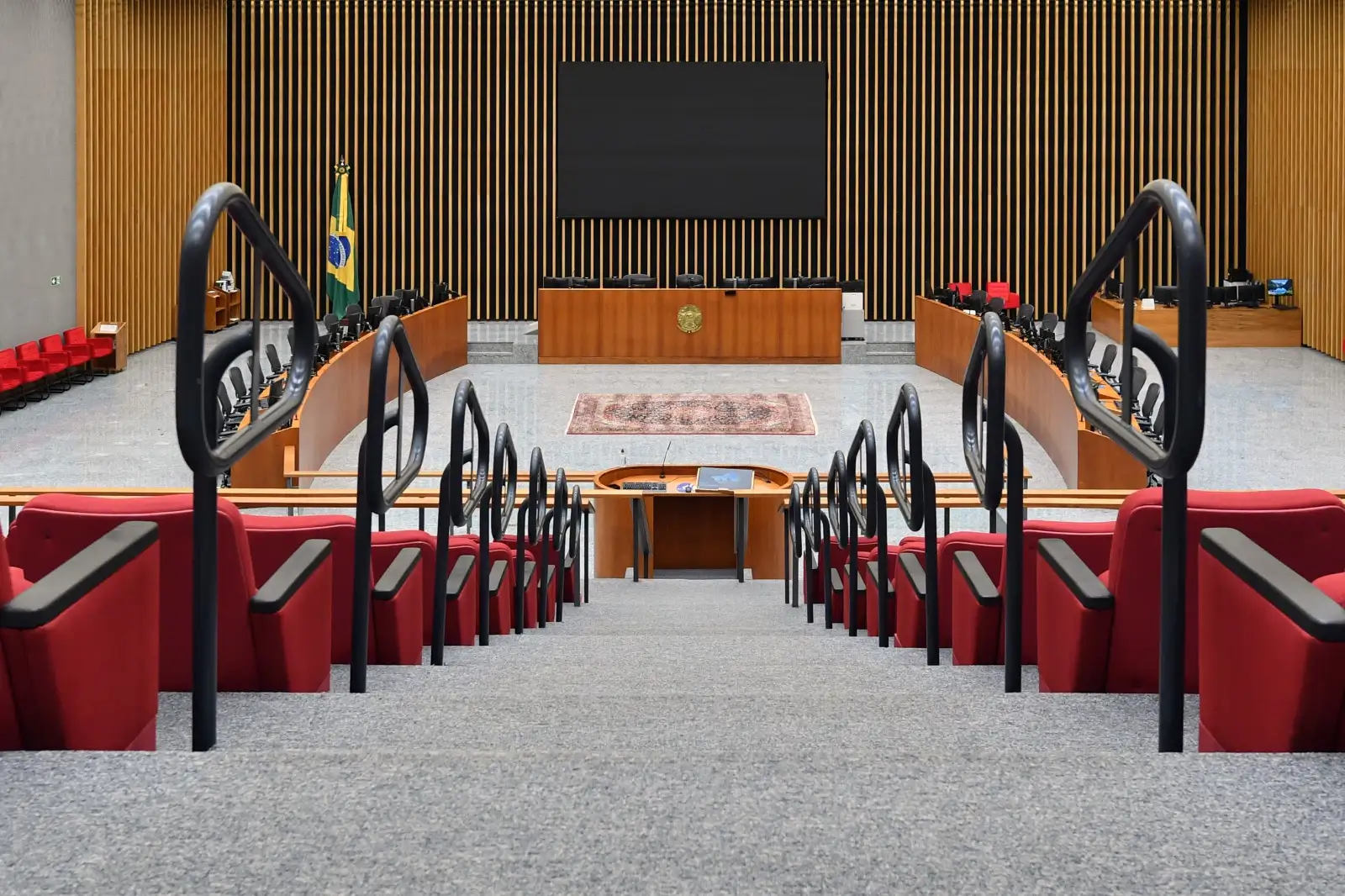
The Superior Courts of the Brazilian legal system
A few minutes from our office in Lago Sul stand the two courts that decide the reach of the law for the entire country.





How we conduct the appellate path
Admissibility analysis
A reading of the case, of the admissibility requirements and of the case law landscape before any step is taken.
Construction of the legal arguments
Framing of the controversy and selection of the grounds capable of sustaining the client position.
Appeals and briefs
Drafting of special and extraordinary appeals, interlocutory appeals, motions on conflicting decisions and briefs.
Oral argument
Preparation and delivery of oral argument, with a synthesis of the case suited to the time and to the bench.
Institutional hearings
Dialogue with chambers, always within the limits and forms permitted by law.
Monitoring of the judgment
Presence at the judgment and an immediate reading of the effects of the decision for the client.